Iran, a paradise for nature lovers
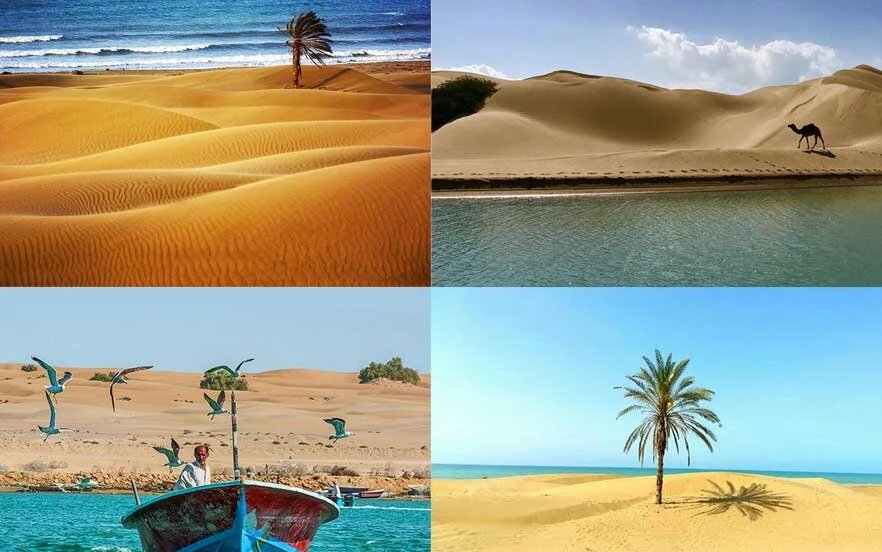
TEHRAN - A land of remarkable natural diversity, Iran boasts a great range of natural diversity. From high mountain peaks and peaceful forests to golden deserts and vibrant wetlands, the country has something unique to offer every nature lover.
For travelers who love nature, the ancient land offers many unforgettable experiences from adventure and wildlife watching to quiet retreats in serene settings and from adventure under the stars to quiet beauty of coastal sands.
Majestic mountains and high peaks
Here in the Iranian plateau, mountain ranges, mote notably Zagros and Alborz, are among the most impressive features of its natural landscape. The Alborz Mountains run across northern Iran, forming a natural border between the central plateau and the lush lands near the Caspian Sea. One of the region’s most famous peaks is Mount Damavand, the highest peak in Iran and the tallest volcano in Asia, towering at 5,610 meters. It’s also 3rd highest volcano in the Eastern Hemisphere after Mount Kilimanjaro and Mount Elbrus.
This majestic peak attracts climbers from around the world and offers breathtaking views from its snowy summit.
The Zagros Mountains, another major range stretching from the northwest to the southwest of the country, are equally impressive. These rugged mountains are home to rich biodiversity, rivers, and scenic valleys. They provide excellent opportunities for hiking, mountain trekking, and exploring nature trails. The cool mountain air and peaceful surroundings make the Zagros a must-visit destination for nature lovers.
Great deserts and unique landscapes
Contrasting dramatically with its lush forests and high mountains, Iran also has vast and striking desert landscapes. The Dasht-e Lut and Dasht-e Kavir deserts are among the most iconic natural sites in the country. The Lut Desert (Dasht-e Lut) is a UNESCO World Heritage Site and is famous for its stunning terrain of sand dunes, salt plains, and dramatic rock formations called kaluts. In some areas, daytime temperatures can reach extreme highs, and at night the skies are perfect for stargazing. A feature that has long been a dream for photographers and astronomy lovers alike.
The Dasht-e Kavir, also known as the Great Salt Desert, features vast salt flats and shimmering horizons. Its open spaces convey a sense of absolute silence and peace, which many travelers find both humbling and inspiring. Visitors can take desert safaris, go on guided camel treks, or simply watch the sun rise and set over endless sands.
Near the city of Kashan, the Maranjab Desert offers another beautiful and accessible desert experience. With tall dunes, seasonal wetlands, and the chance to see wildlife adapted to extreme environments, Maranjab is a fantastic destination for adventure-seeking nature lovers.
Green forests and rice paddies
In northern Iran, the story of nature changes from arid deserts to rich greenery. Along the southern coast of the Caspian Sea, provinces such as Gilan, Mazandaran, and Golestan boast lush landscapes that feel almost tropical compared to much of the rest of the country. These lands are filled with dense forests, cool mountain streams, tea plantations, and rice paddies stretching toward the horizon.
The ancient Hyrcanian Forests, a UNESCO World Heritage Site, date back more than 25 million years. These unique forests support rare wildlife, including the Persian leopard, and are a paradise for hikers, birdwatchers, and nature photographers. Exploring these forests, visitors can experience the sounds of nature, walking under towering trees and discovering hidden waterfalls.
Peaceful lakes and waterscapes
Iran’s natural water landscapes offer refreshing breaks from desert views and mountain hikes. For instance, Western Zagros Mountains lies Zarivar Lake, a wide freshwater lake set like a jewel among forests and hills.
Its calm waters reflect the surrounding nature, creating a peaceful haven for visitors who enjoy picnics, boating, fishing, and birdwatching.
Another unique lake is Lake Tar, located near Mount Damavand at over 3,000 meters above sea level. Surrounded by stark mountain beauty, its clear waters and clean air make it a wonderful destination for hikers and nature explorers.
Shores and islands: From Caspian coasts to Persian Gulf
Iran’s shoreline is as varied as its inland nature. The sandy beaches of the Caspian Sea are ideal for sunbathing, swimming, and seaside relaxation. The mild climate and gentle waves attract families and surfers alike, especially during warmer months.
In the south, the Persian Gulf and the Gulf of Oman offer warm waters and stunning island landscapes. Hormuz Island is famous for its dramatic red beaches and colorful cliffs, created by iron-rich soil blending with ocean waters. On rare rainy days, red soil flows into the sea, creating vivid crimson spectacles that attract photographers and travelers from around the world.
Nearby, Qeshm Island is another natural treasure, with unique rock formations, geological wonders like the Valley of Stars, and coastal areas perfect for exploring marine life. The island also hosts Hara Mangrove Forests, an important ecological site where visitors can take boat tours through the mangroves and encounter a variety of bird species.
Rivers, canyons, and waterfalls
There are many river valleys and canyons across the country that offer dramatic natural beauty beyond plains and mountains. An an example, Shirez Canyon in Lorestan province is a deep, winding valley carved by ancient rivers. Its rugged rock formations and cool shade offer a refreshing escape for hikers and geotourists who want to explore landscapes shaped by time.
Many of Iran’s rivers feed natural waterfalls, creating refreshing green areas -- perfect for picnics and connecting with nature. Rivers like the Karun in southwestern Iran and the Zayandeh Rood in central for fresh water flow through landscapes that support local ecosystems and irrigated farming areas.
Seasonal diversity and travel tips
One of the most remarkable things about Iran’s natural spaces is how different they can be in each season. In winter, mountain slopes become ski resorts with powdery snow. In spring and summer, those same mountains are cool havens filled with wildflowers and streams. In the north, rains feed forest streams and bring green landscapes to life. In contrast, the desert regions remain dry but offer clear skies and dramatic sunrise and sunset views that are perfect for photographers.
Travelers who love nature can visit Iran at almost any time of year and always find something amazing. Spring and autumn are especially pleasant for hiking and outdoor activities because the weather is mild across most of the country.
AM
Leave a Comment